

TPO Roofing in Maryland: Complete Guide for Commercial Buildings
When you’re managing a commercial building in Maryland, especially one in the Baltimore–D.C. area, the roof is more than just an overhead cover, it’s part of your operational infrastructure. A well-designed and well-installed roofing system can save energy, reduce maintenance costs, and protect your building from storm damage, leaks and structural issues. Among the many flat-roof options, Thermoplastic Polyolefin (TPO) roofing has grown extremely popular.
In this guide we’ll walk you through what TPO is, why it’s a strong choice for Maryland commercial buildings, how installation works, cost-factors, maintenance strategies, how it stacks up against other systems (see our comparison: “TPO vs EPDM vs PVC”), and what local building-code/regulation considerations apply.
What is TPO Roofing?
TPO roofing is a single-ply membrane system made from a blend of polypropylene and ethylene-propylene rubber, typically installed in large sheets and heat-welded at the seams. Because of that construction, TPO offers strong seam strength and reliable waterproofing — key advantages for low-slope commercial roofs. TPO membranes have significantly improved over the last decade in terms of durability, UV-resistance and performance.
In the Maryland context with hot summers, moderate winters, and occasional severe weather, TPO’s reflective surface and robust installation make it a compelling candidate.
Why TPO Makes Sense for Maryland Commercial Buildings
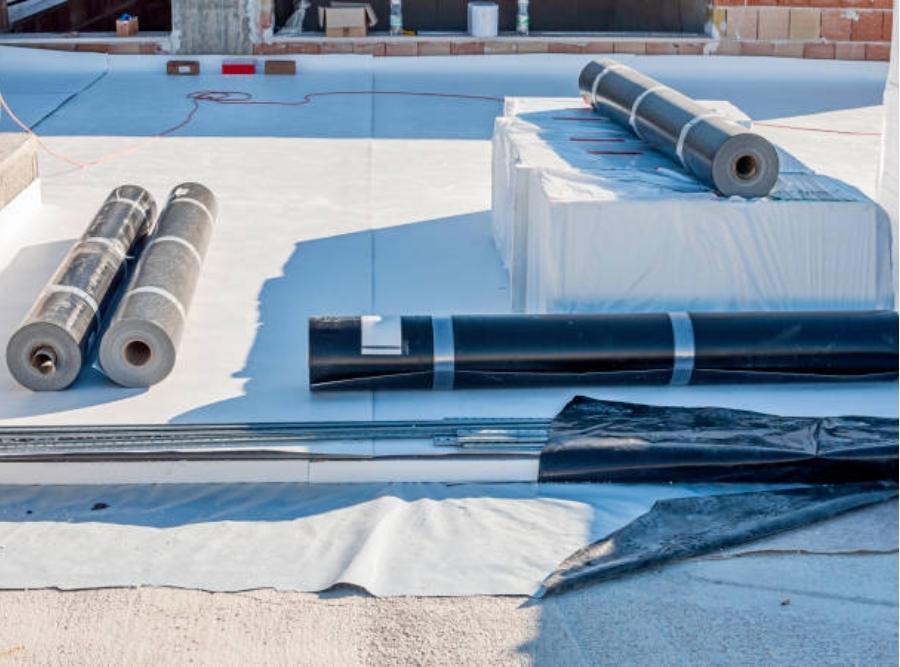
Energy-Efficient “Cool Roof” Benefits
One of the biggest advantages of TPO roofing is its highly reflective surface, which helps reduce heat absorption and cooling loads during warm months. For Maryland facilities, this translates to potential energy savings and enhanced comfort in tenant spaces.
Durability & Weather Resistance
TPO membranes resist ultraviolet light, ponding water, and chemical exposure better than many older flat-roof systems. For commercial properties with rooftop HVAC units, foot traffic, or significant surface area exposed to the elements, this durability matters.
Cost-effective for Flat & Low-Slope Roofs
Compared with some premium flat-roof systems, TPO offers a favorable balance of performance and upfront cost. That makes it a smart choice for commercial property owners in Maryland who must balance budget, lifecycle cost and performance.
Key Installation & Material Considerations
Substrate Preparation & Insulation
Before TPO membranes are applied, the roof deck must be assessed for structural integrity and insulation value. Good insulation under the membrane improves thermal performance and reduces energy costs.
Attachment Methods & Seam Welding
TPO roofs can be installed via fully adhered, mechanically fastened or ballasted systems. Heat-welded seams create a continuous barrier that reduces leak potential.
Membrane Thickness & Quality
Selecting the right membrane thickness (often 45-mil, 60-mil, or 80-mil) and proven manufacturer products helps ensure expected performance and warranty compliance.
Qualified Contractor & Proper Detailing
The success of a TPO roof depends significantly on the precision of the installation, proper flashing, correct welding technique and attention to penetrations all matter.
Cost, Lifespan & Return on Investment
Typically positioned in the lower to mid-tier among commercial single-ply membranes, TPO systems offer solid value when paired with high-quality installation and maintenance; with the right care, a TPO roof can deliver two to three decades of reliable service.
When evaluating ROI:
- Factor in energy savings from the reflective surface.
- Consider reduced repair and downtime costs over the lifespan.
- Assess warranty benefits and potential lease/tenant attraction from a modern roof.
From a Maryland business-owner perspective, opting for TPO with higher initial cost for quality materials/installation can be justified if it reduces future repair bursts, downtime or tenant disruption.
Maintenance Essentials & Best Practices
Even the best TPO system needs a proactive maintenance plan. Key practices include:
- Twice-annual or annual inspections of seams, flashing, drains and rooftop equipment mounts.
- Clearing debris and ensuring no ponding water remains (ponding accelerates wear).
- Addressing tears, seam separations or damage promptly before they escalate.
- Keeping the membrane clean so its reflective properties remain effective — a dirty white roof will lose some of that value.
A good commercial maintenance program in Maryland will include documented inspections, scheduled minor repairs, and a budget for eventual replacement.
How TPO Compares to Other Flat Roof Systems
Here’s a quick snapshot:
- TPO: Strong balance of cost, reflectivity, weld-seam strength.
- EPDM: Often more affordable upfront, but less energy-efficient; seams often taped/glued rather than welded.
- PVC: Premium cost, very strong chemical resistance and weld-seam strength; best for special exposures.
For most Maryland commercial roofs, TPO often offers the best combination of energy performance, durability and cost. But, building-specific factors such as chemical exposure, rooftop traffic or architectural requirements may shift the recommendation.
Local Building Codes, Compliance & Maryland Considerations
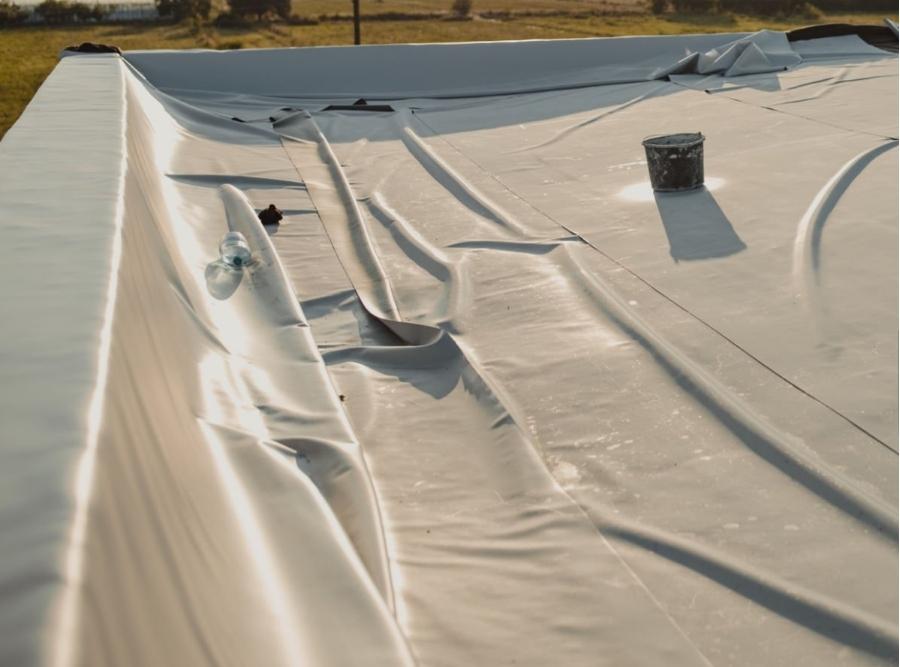
When installing a new TPO roof on a commercial property in Maryland, it’s essential to ensure full compliance with local building codes, including wind-uplift ratings, fire classifications, insulation R-values and manufacturers’ installation requirements. Failing to comply can void warranties or affect insurance. Additionally, make sure your contractor is properly licensed and insured for Maryland commercial work.
Given the humid climate and storm exposure common in the region, units must ensure proper drainage, ponding prevention and rooftop equipment compliance to avoid premature membrane failure.
Emergency Planning & Risk Mitigation
Even with a high-quality TPO system, businesses must prepare for emergencies: storm damage, hail, fallen trees, or equipment shifts can compromise the roof. A proactive plan includes:
- A trusted roofing partner who can respond 24/7 for tarping or temporary measures.
- Regular documentation (roof condition photos, inspection reports) to support insurance claims.
- Budgeting contingency funds for unexpected major repairs or full replacements.
- Ensuring that your service contract includes provisions for emergency response, and that the roof system and accessories (fasteners, drains, flashings) are maintained to minimize risk.
Why TPO Roofing Is a Smart Move for Maryland Businesses
Choosing the right roofing system for your commercial building is a strategic decision—not just a repair project. For Maryland business owners, TPO roofing stands out as a strong option: it offers energy savings, long-term durability, and manageable cost while being well-suited to flat and low-slope commercial roofs. By working with an experienced roofing partner, ensuring quality installation, maintaining your system proactively and staying ahead of local code requirements, your TPO roof can deliver reliable performance for decades.
If you’re ready to evaluate your next roofing project or explore how TPO might fit your property, the team at Turner Roofing Company Inc. is ready to assist. Let’s make your roof work for your business.