

PVC Roofing Systems in Maryland: The Ultimate Commercial Solution
For commercial property owners in Maryland, especially in the Baltimore‐Washington region, the roof plays a pivotal role in protecting assets, minimizing downtime and controlling operating costs. Flat and low‐slope roofs present unique challenges in this climate from summer heat and humidity to winter freeze‐thaw cycles and storm exposure. Among roofing materials, a properly engineered PVC roofing membrane system has emerged as an exceptional choice.
This guide walks Maryland businesses through what PVC roofing is, why it works so well here, how to evaluate cost versus long‐term value, best practices for installation and maintenance, and how to select the right contractor for the job.
What Is PVC Roofing and Why It Matters
PVC (polyvinyl chloride) roofing is a single‐ply membrane system widely used on flat commercial buildings. It typically consists of a synthetic sheet reinforced by polyester or fiberglass scrims, coated in PVC and installed via heat-welded seams to create a continuous, leak‐resistant barrier. The system’s heat-welded seams and material strength deliver excellent durability, especially in industrial or challenging environments.
For Maryland’s commercial buildings where exposure to salt air, rooftop mechanical traffic, ponding water and UV stress is common, PVC roofing offers durability, chemical resistance, reflectivity and low maintenance.
Benefits of PVC Roofing in Maryland’s Commercial Landscape
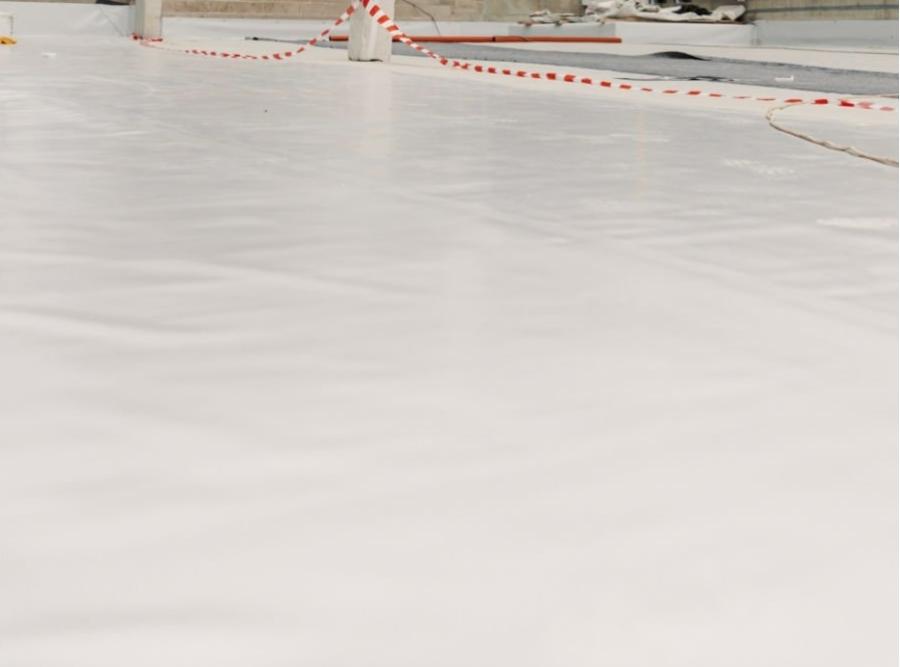
- PVC roofing delivers multiple advantages for Maryland businesses.
- Its reflectivity helps lower cooling loads during humid summers, making it a smart investment in energy control.
- Strong chemical and grease resistance make it suitable for buildings with rooftop HVAC, exhaust systems or industrial use.
- Commercial properties near the coast or industrial zones benefit from PVC’s resilience against salt-air corrosion and chemical exposure.
- Heat-welded seams (rather than glued or taped) provide superior waterproofing, essential for flat roofs in regions prone to heavy rainfall or ponding.
- Over time, fewer repairs and a longer lifespan translate into better cost effectiveness for businesses.
Material & Installation Considerations
When evaluating a PVC roofing system, certain features and installer practices make a big difference. The membrane thickness, scrim reinforcement, seam-welding quality, and proper substrate condition all influence longevity and performance. Because Maryland sees a full range of weather conditions (hot summers, cold winters, occasional storms), moisture control, insulation beneath the membrane, and proper drainage matter a lot.
During installation, qualified contractors should inspect the existing roof deck, verify attachment method (fully adhered, mechanically fastened or ballasted), ensure all rooftop penetrations are flashed correctly, and schedule work to avoid major weather delays. Improper installation reduces lifespan significantly.
Cost Analysis & Return on Investment
For business owners, the question always becomes: Does the higher initial cost pay off? While upfront price for a PVC system may exceed simpler flat-roof materials, its extended lifespan, low repair frequency and energy savings pay dividends. Typical commercial PVC systems are expected to last 20-30 years or more when installed and maintained properly. Moreover, the ability to maintain a watertight surface and reduce risk of interior damage or operational disruption (especially in commercial settings) adds indirect value.
When budgeting, it’s wise to consider not just installation cost but lifecycle cost: energy savings, maintenance cost, downtime risk, and eventual replacement. For a Maryland building that stores equipment, hosts tenant space, or has critical operations, the risk of roof failure is high, making PVC’s value proposition more compelling.
Maintenance & Long‐Term Performance
Although PVC roofing is low‐maintenance relative to many flat‐roof systems, it still requires a proactive maintenance program to achieve its full lifespan. Periodic inspections should assess seam integrity, flashing condition, drainage, signs of ponding or debris accumulation, and rooftop equipment impacts.
Even in Maryland’s climate, failing to clear leaves, branches, or obstructions can lead to premature membrane wear. Documenting inspections, repairing minor defects early, and keeping the membrane’s reflective surface clean all help preserve energy performance and waterproofing. A well-maintained PVC roof can significantly reduce risk of leaks, replacements, and unexpected repair costs.
Choosing the Right Contractor and System for Maryland
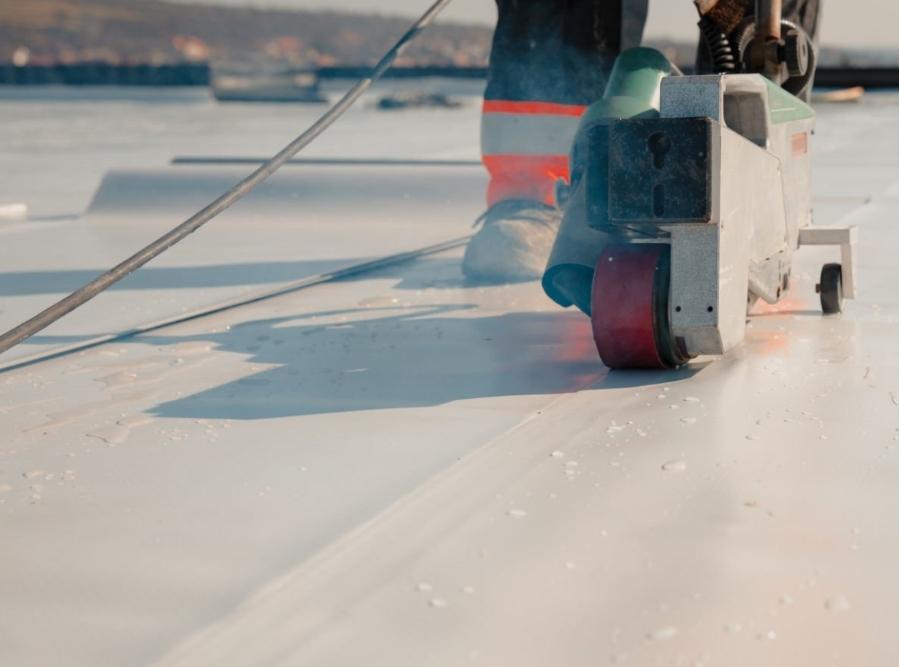
Selecting a contractor who is experienced with PVC systems and familiar with Maryland building codes, local weather conditions, and commercial-roof challenges is critical. Look for a firm that holds proper licensing, offers manufacturer-certified installation, provides clear warranties on both materials and labor, and presents a detailed scope of work covering everything from insulation upgrades to drainage strategy.
With that in mind, Turner Roofing Company stands out as an ideal choice. Based in White Marsh and serving the Baltimore–D.C. region for decades, the company holds active Maryland home-improvement licenses according to the state board.Their deep local experience means they understand every facet of commercial roofing in Maryland from rooftop traffic and exposure (coastal vs inland) to insulation and drainage. When evaluating your PVC system, ask how they will tailor it to your building’s specific use and environment and ask to see a clear estimation and contract that reflects that customization.
The Long-Lasting Advantage of PVC for Maryland Commercial Properties
For commercial properties in Maryland, especially those with flat or low-slope roofs, PVC roofing systems stand out as a smart, long‐term investment. With their excellent durability, chemical resistance, strong waterproofing, energy savings and adaptability to challenging weather and exposure, PVC membranes deliver more than just shelter, they provide protection for your business’s assets and operations. By selecting the right system, installing it with expert precision, and maintaining it proactively, you set your building up to serve reliably for decades.
If you’re considering a roof upgrade or replacement for your commercial property, talk to a roofing partner who understands Maryland’s specific climate and commercial needs. A PVC roofing system may well be the ultimate solution for peace of mind and operational continuity.