

Complete Commercial Roofing Guide for Maryland Businesses
For Maryland business owners, your roof isn’t just another expense, it’s a major investment that protects your building, operations, employees and assets. In the D.C./Baltimore region, commercial roofing systems face unique challenges: large flat or low-slope surfaces, rooftop mechanical equipment, high traffic, storm exposure and strict building codes.
This guide walks you through everything you need to know: how commercial roofing differs from residential, the most common flat-roof materials, how to assess cost and return on investment, maintenance essentials, code compliance, emergency readiness and even tax considerations under IRS Section 179. With this knowledge, you’ll be equipped to make smart decisions for your business property.
Commercial vs Residential Roofing: What’s the Difference?
When you compare commercial and residential roofing, the differences go beyond scale. Commercial roofs are almost always flat or low-slope, cover larger surface areas, and must withstand rooftop equipment, foot traffic, and more frequent maintenance. In contrast, residential roofs tend to be pitched, use shingles or tiles and have fewer mechanical penetrations. According to industry guidance, a commercial roof has to account for drainage, ponding water, heavier loads, and larger spans.
Because of these factors, commercial roofing materials and installation techniques are more specialized. The cost of failure including leaks, downtime and damage to inventory or equipment is also higher in a commercial setting, so selecting the right system and contractor is critical.
Flat Roof Material Comparison: TPO, PVC, Modified Bitumen & Built-Up
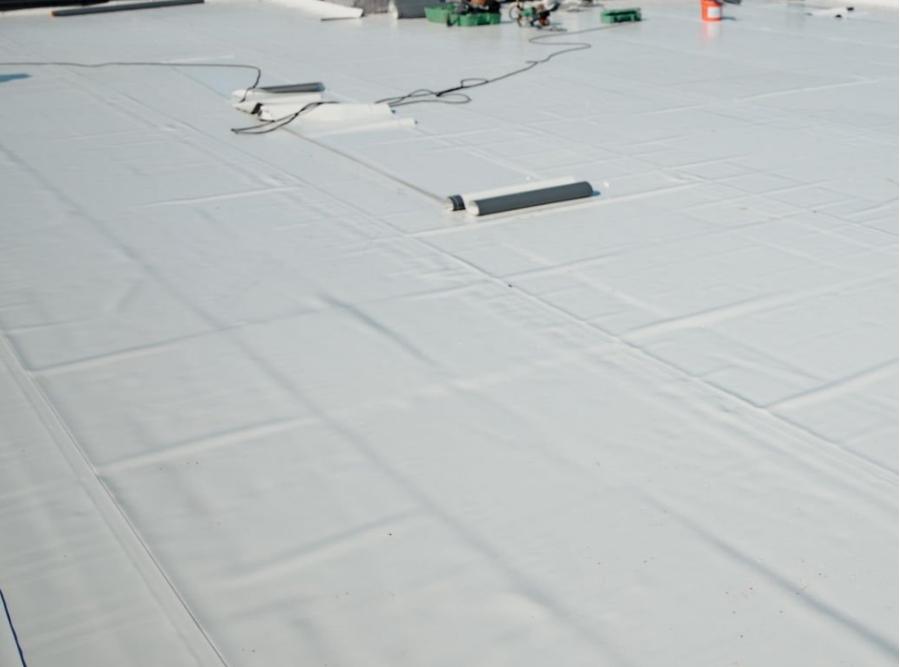
Selecting the right material for your flat or low-slope commercial roof in Maryland is a key early decision. Each major material type has its own performance profile.
TPO (Thermoplastic Polyolefin)
TPO is a single-ply membrane that offers a good balance of affordability, energy efficiency and durability. It’s often white or light-coloured, which helps reflect heat and reduce cooling costs in warmer seasons. Lifespan typically ranges 15-25 years, though quality and installation matter a great deal.
PVC (Polyvinyl Chloride)
PVC is another single-ply system, with higher upfront cost but stronger chemical resistance, fire resistance and durability, especially useful for buildings with special exposures. It often offers longer service life when properly installed.
Modified Bitumen
Modified bitumen systems blend asphalt with polymers and are typically multi-layer, offering strong waterproofing. They’re well‐suited for high traffic, heavy use roofs, but require skilled installation and may present higher maintenance needs.
Built-Up Roofing (BUR)
Built-up systems also called tar-and-gravel roofs are time-tested, heavy in structure, and very durable. They may require more structural support and ongoing inspections, but offer longevity when well maintained.
Side-by-Side Snapshot
- Upfront cost: TPO tends to cost less per square foot than PVC or BUR.
- Lifespan: PVC and BUR typically outlast basic TPO if featured in higher quality.
- Maintenance: Multi-layer systems like BUR/modified bitumen may require more frequent inspection compared to single-ply membranes.
- Energy/Reflectivity: White TPO/PVC help with energy savings in Maryland’s humid and warm summers.
Choosing among these comes down to your building’s use, budget, exposure, rooftop traffic and desired service life.
Life-Cycle Cost Analysis
The true value of a commercial roof isn’t just the installation cost, it’s the total cost over its service life, including energy savings, repairs, maintenance and eventual replacement. One recent overview of commercial roof types showed installation cost ranges in 2025.
For Maryland business owners, you should ask:
- What is the expected lifespan of this system under regional conditions (humidity, storms, UV etc)?
- What are the likely annual maintenance and repair costs?
- How much can be saved in cooling/heating due to reflectivity or insulation upgrades?
- What is the cost impact of downtime or leaks?
By comparing systems not just on day-one price but on 20-30-year cost projections, you may find a higher-cost system actually offers better value due to fewer repairs and longer lifespan.
Maintenance Programs: Protecting Your Investment
Once your commercial roof is installed, a proactive maintenance program is key to maximizing its lifespan and avoiding costly emergency work. Maintenance should include regular inspections (twice a year or more for flat roofs), cleaning drains, checking seams/flashing, removing debris, verifying rooftop equipment’s mounting and ensuring proper drainage. According to commercial roofing guides, neglecting maintenance often shortens roof life and increases replacement frequency.
For Maryland buildings, special attention to drainage and ponding (especially after storms), storm debris, and seasonal freeze-thaw cycles helps avoid accelerated wear. A good maintenance program will have documented inspections, a schedule of minor repairs, and a budget for larger corrective actions.
Building Codes & Compliance
Commercial roofs in Maryland must comply with local building codes, manufacturer specification and often energy standards (for example, reflectivity, insulation values). Permits may be required for replacement or major repair. It’s also important the roofing contractor be licensed in Maryland and carry the proper insurance. Failure to comply can void warranties, complicate insurance claims or create liability issues.
When selecting your system, verify:
- The roofing product is tested and certified.
- Installation meets manufacturer’s specifications (important for warranties).
- Local code requirements for wind uplift, hurricane/storm zones or snow loads are addressed.
- Your contract clearly identifies who obtains permits or handles inspections.
Emergency Repair Planning
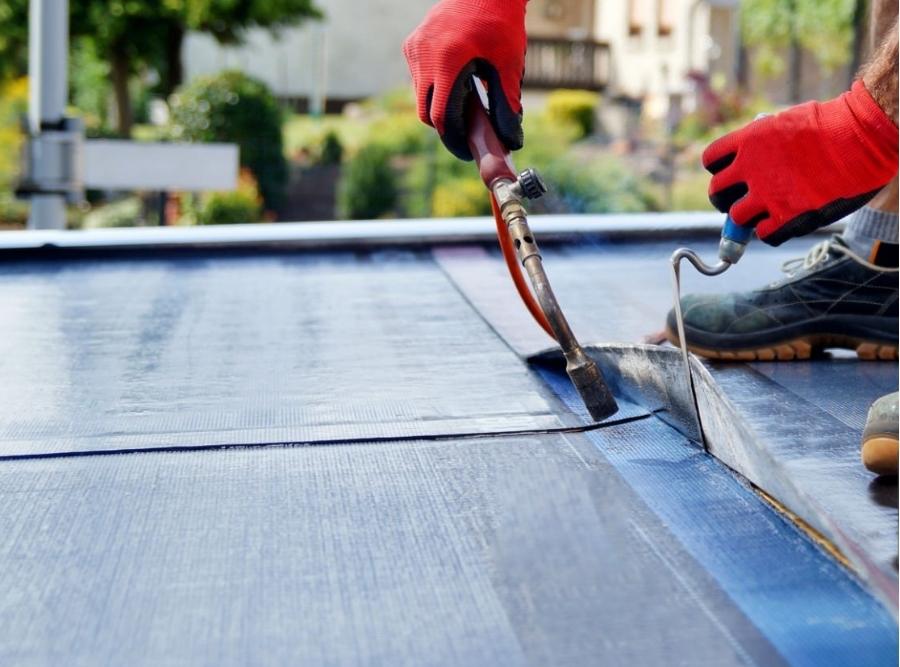
Even the best roof can be damaged by storms, hail, fallen trees or mechanical failure. Having an emergency plan ahead of time makes all the difference. Important elements include:
- A rapid‐response contractor capable of tarping or temporary repair in the event of damage (available 24/7).
- Documentation: photos before/after, for insurance claims.
- Budget holding for worst‐case scenarios (e.g., major storm).
- Clear items in your service contract about how emergencies are handled, what triggers a permanent project, and timeline expectations.
A roof failure for a business can quickly disrupt operations, cause mold/water damage, and jeopardize equipment or product so don’t wait until the leak to start planning.
Tax Benefits (IRS Section 179)
For many businesses, the cost of a new roof or major replacement may qualify for accelerated depreciation under IRS Section 179 (or bonus depreciation), meaning you may deduct the cost more rapidly than traditional depreciation schedules allow. This can improve cash-flow and reduce tax burden in the year of installation.
Before proceeding, consult your tax advisor to ensure your project qualifies and you’ve documented all required information (such as roof cost breakdown, installation date, business use, etc.). Leveraging tax benefits can make higher-quality roofing investments more attractive from a financial perspective.
Plan Wisely Today for a Roof That Performs for Years
Your commercial roof is a cornerstone of your business infrastructure—not just a sheet of material overhead. In Maryland’s climate and regulatory environment, selecting the right roofing system, balancing upfront cost with long-term value, committing to a strong maintenance program, following codes and planning for emergencies will pay dividends over the decades ahead. By working with a respected contractor such as the team at Turner Roofing Company Inc., you’ll gain both technical expertise and local experience to protect your business property and investment.
Whether you’re planning for a new installation or evaluating replacement options, begin with informed comparisons and a clear action plan so your roof continues to serve reliably for years to come.