

Complete Residential Roofing Guide for Maryland Homeowners
For Maryland homeowners, your roof is one of the most important lines of defense for your home — keeping you dry, safe, and comfortable year-round. But with our unique climate, weather patterns, and diverse architecture, selecting the right roofing system goes beyond simply picking a color.
Whether you’re dealing with humid summers, winter snow, or the architectural heritage of towns around Baltimore and the D.C. metro, this guide will walk you through everything you need to know about residential roofing in Maryland. From material options to contractor selection, estimated costs to permit requirements and HOA rules, we’ll help you make informed decisions so your new roof offers value and durability for decades.
Types of Residential Roofing Materials
When it comes to residential roofing in Maryland, you have a variety of materials to choose from—each with its own look, lifespan, cost and suitability for local weather. Among the common options: standard asphalt shingles, upgraded architectural shingles, metal roofing, slate or tile, and synthetic composites.
Asphalt & Architectural Shingles
The baseline choice for many Maryland homes. Relatively affordable and available in many styles. Architectural shingles offer better wind resistance, premium look and longer warranties. Good match for typical homes with standard roof pitches.
Metal Roofing
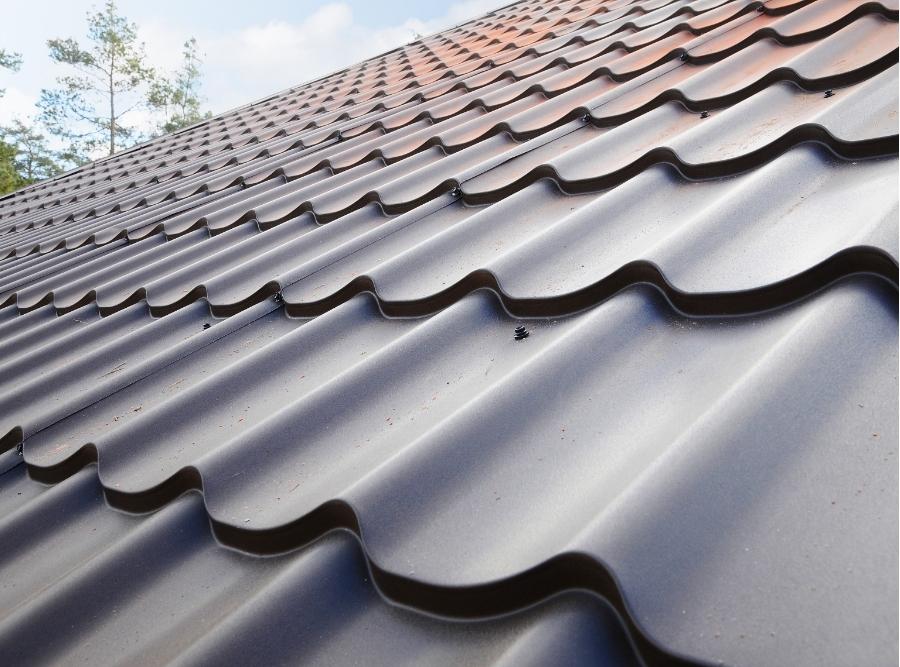
Increasingly popular in the region because of its durability, ability to shed snow, and resistance to wind or hail. Higher upfront cost, but longer lifespan and often lower long-term maintenance.
Slate, Tile & Synthetic Composites
Slate or heavy tile systems are premium options, often seen in historic or upscale homes. They carry high cost but very long lives when properly installed. Synthetic composite shingles mimic slate or tile aesthetics at somewhat lower cost and weight.
How to Choose the Right Material for Maryland’s Climate
Maryland presents a mix of humid summers, occasional coastal and storm exposure (especially near the Chesapeake Bay) and winter snow/ice in places. These factors influence the best roofing choices.
What to consider:
- Wind and storm resistance: Because Maryland can face strong winds and storms, choose a roofing system with strong wind rating.
- Moisture and humidity: Shingle systems must cope with humid summers and potential moss or mildew in shaded or wooded areas.
- Snow/ice and drainage: Roofs need proper ventilation, underlayment and drainage to avoid ice dams in colder months.
- Historic or aesthetic context: Especially in older neighborhoods or historic districts, the roofing style and materials may need to match existing character.
By aligning the material choice to your home’s style, roof pitch, size and local micro-climate (e.g., exposure to wind, trees, salt air), you’ll get both performance and longevity.
Average Costs & ROI
When budgeting for a roof replacement in Maryland, it’s helpful to think in broader terms rather than focusing on precise dollar amounts. Roof replacement costs vary significantly depending on material choice, roof size and complexity, and regional labor conditions. Generally speaking, more basic systems will cost considerably less than premium materials, and complex roofs with multiple slopes or architectural details will increase the investment.
From an ROI perspective, your key consideration should be how long the new roof will last, how much protective value it provides (in terms of reducing water intrusion, energy costs, and maintenance), and how it supports the overall value of your home. Choosing a higher-quality system may require a larger upfront investment, but if it extends roof life, lowers repair frequency, and adds market appeal, it can deliver strong long-term value.
Return on investment (ROI) considerations
A quality roof replacement protects the home structure, prevents water damage and can boost resale value. Choosing durable materials may mean higher initial cost but fewer major repairs over time. Homebuyers in the Maryland market will often value homes with newer roofs and good warranties, which can improve marketability. Evaluate your climate risk: if your area is prone to storms, investing in stronger materials may pay off in avoided future damage.
Finding the Right Contractor
Choosing the right roofing contractor is critical to the long-term success of your project. Here are key criteria for homeowners in Maryland:
Verify licensing and insurance
Make sure the contractor holds a valid Maryland Home Improvement Commission (MHIC) license, and that they carry liability insurance and workers’ compensation. Failure to verify can expose you to risk.
Local experience
Select a contractor who has experience working in your local market—someone familiar with the local weather patterns, building codes and neighbourhood considerations. A contractor familiar with Baltimore County, the D.C. suburbs and the broader Maryland region brings added value.
Transparent estimates and contract
Your contractor should provide:
- A written, itemised estimate (materials, labour, disposal, etc.)
- Clear warranty details (both materials and workmanship)
- A schedule of work and clean-up plan
- Clarification of who handles permits, inspections and local code compliance
References and reviews
Look for recent client references, before-and-after photos, reviews in your region. A strong reputation speaks volumes.
Turner Roofing Company as Your Contractor
Turner Roofing Company is a third-generation, family-owned roofing contractor based in White Marsh, Maryland, proudly serving Baltimore County and the wider D.C. region for decades. With full licensing and insurance covering residential and commercial projects alike, they bring deep local experience across Maryland’s unique weather and building-code demands. Their commitment to quality workmanship and dependable service is backed by a strong reputation: review platforms note their professionalism, clean job-sites, clear communication, and lasting results.
When you choose Turner Roofing Company, you’re opting for transparency and accountability. Their process includes a detailed, itemised estimate covering materials, labour and disposal, clear scheduling and clean-up procedures, and done-right permit handling so requirements are met fully. They stand out for working closely with homeowners and businesses in the region, ensuring every roofing job is tailored to the local climate and property type, whether it’s a historic home, a large commercial flat roof, or a suburban house in White Marsh.
Timeline & What to Expect
Knowing the process and timeline helps you plan with less stress. While each project varies based on size, complexity, material and weather, here’s a general outline for a residential replacement in Maryland:
- Initial inspection & estimate – Contractor evaluates your roof, discusses materials, identifies any issues (decking, flashing, ventilation).
- Contract signing & permit application – Contractor obtains permits (if required) and schedules work.
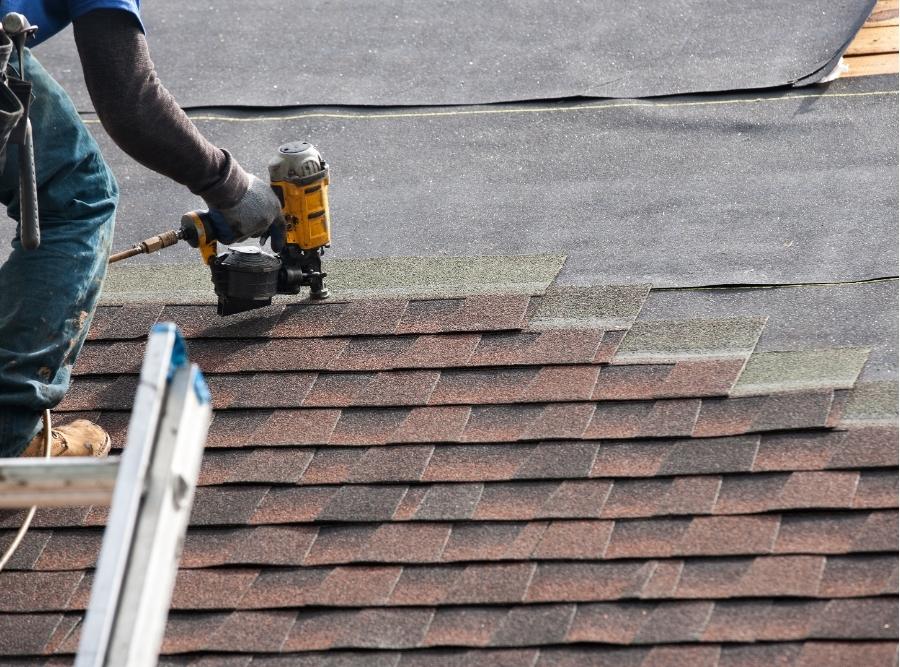
- Material delivery & site preparation – Old shingles removed (if applicable), roof deck inspected, underlayment installed, flashing and roof vents checked or replaced.
- Roof installation – Depending on size and pitch, installation may take a full day or two. Complex roofs (steep slopes, multiple dormers) may take longer.
- Final inspection & clean-up – Contractor clears debris (make sure they check gutters for stray nails). Local inspection may occur.
- Warranty documentation & maintenance – You receive warranty paperwork, instructions on maintenance (e.g., periodic inspections, gutter cleaning).
During planning, ask your contractor: “How many days is your schedule?”, “When will old materials be removed?”, “What is the clean-up process?”, “Who handles inspections?” Being prepared helps the project run smoothly.
Permits & Regulations in Maryland
Yes, roofing projects in Maryland are not “free for all”. Most jurisdictions require building permits, inspections and compliance with local code.
What you need to know
- The MHIC regulates home improvement contractors and mandates that the prime contractor obtain all required permits.
- In many jurisdictions, a full roof replacement or any work that includes structural changes or full tear-off will require a permit.
- Some counties treat “replacement with like materials” differently from full redesigns—always confirm with your local building department.
Why it matters
Skipping a permit or failing to comply can lead to fines, voided insurance coverage, difficulty selling your home or redoing work.
Historic District & HOA Considerations
If your home lies within a historic district or is governed by a homeowners association (HOA), extra rules may apply.
Historic districts
Exterior changes, even just the roof material or colour may require approval from a local historic preservation commission, and some materials may be restricted to maintain historic character (e.g., slate, tile, specific colours).
Homeowners Associations (HOAs)
HOAs often have design guidelines that dictate roofing materials, colours, vent placement and vendor approval, and even if you receive the building permit, your HOA may still require its own review and approval before work begins. Failing to secure HOA approval may lead to enforcement, fines or reversion of your work.
What to do
- Before signing any contract, check with your local historic commission or HOA about required approvals.
- Include in your contractor’s proposal a scope covering the HOA/historic approval process so you’re not caught off-guard.
- Choose materials that comply with aesthetic and structural requirements—this helps avoid project delays.
Protect Your Home With Smart Roofing Decisions
Your home’s roof is one of its most important systems, it protects your investment, your family and your comfort. For Maryland homeowners, the right material choice, proper budgeting, selecting a qualified contractor, managing timelines, obtaining required permits and accounting for historic or HOA constraints all matter.
When you partner with a reliable, licensed contractor who knows the local market including the team at Turner Roofing Company—you get peace of mind, quality workmanship and a roof built to last. Don’t wait for leaks or storm damage. Start planning smart, and protect your home for years to come.